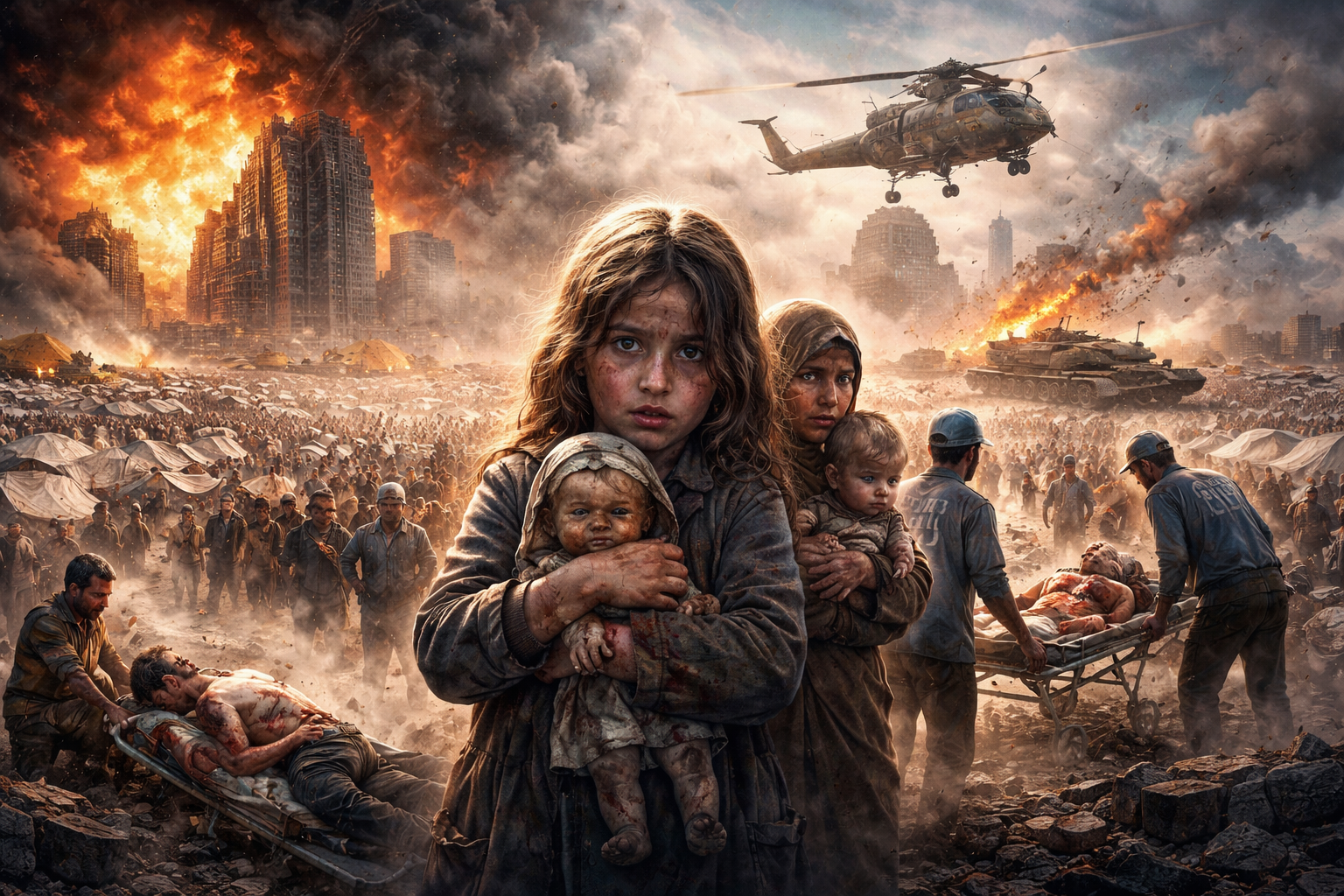
Global Public Opinion 2026: A Region-Wise Human Perspective on Crisis, Change, and Expectations
A Fragmented Yet Connected World Public opinion in 2026 reflects a deeply interconnected yet fragmented global society. While technology has unified communication, lived realities differ sharply across regions. From economic


A Fragmented Yet Connected World
Public opinion in 2026 reflects a deeply interconnected yet fragmented global society. While technology has unified communication, lived realities differ sharply across regions. From economic distress to political distrust and climate anxiety, people around the world are responding to global challenges through the lens of local experiences. This regional breakdown captures how public sentiment is evolving across continents, revealing both shared concerns and distinct priorities.

The global public opinion landscape in 2026 reveals a world united by common concerns yet divided by regional realities. Economic insecurity, climate change, and political distrust are nearly universal themes, but their intensity and expression vary widely. What stands out most is the rising expectation for accountability and meaningful change. People across all regions are no longer passive observers; they are active participants in shaping the future. This shift signals a transformative period in global society, where public voices are becoming a defining force in policy and leadership.
North America: Between Stability and Discontent
In North America, particularly in the United States and Canada, public opinion is marked by a paradox of economic strength and social unease. While employment rates remain relatively stable, citizens express growing frustration over rising living costs, housing affordability, and healthcare access. Political polarization continues to shape public discourse, with many people feeling that governance is increasingly driven by ideological conflict rather than practical solutions. Younger generations are especially vocal about climate change, social justice, and the need for systemic reform, indicating a shift in long-term societal expectations.
Europe: Security Concerns and Economic Pressures
Across Europe, public sentiment is heavily influenced by geopolitical tensions and economic uncertainty. The ongoing impact of regional conflicts and energy crises has led to widespread concern about security and national stability. Citizens are increasingly supportive of stronger defense policies, yet there is also a strong desire to avoid prolonged conflict. Economically, inflation and energy costs remain major issues, affecting everyday life. At the same time, European societies continue to emphasize environmental sustainability, with public pressure mounting on governments to lead global climate action despite economic challenges.
Asia: Growth Aspirations Amid Structural Challenges
Asia presents a diverse landscape of public opinion, shaped by rapid development and deep structural contrasts. In emerging economies like India and Southeast Asian nations, optimism about economic growth and technological advancement remains strong. However, this optimism is tempered by concerns over unemployment, income inequality, and access to quality education and healthcare. In more developed parts of Asia, such as Japan and South Korea, aging populations and economic stagnation are key public concerns. Across the region, there is a growing awareness of environmental issues, although economic priorities often take precedence in policy expectations.
Middle East: Stability, Reform, and Youth Expectations
Public opinion in the Middle East is influenced by a complex interplay of political reform, economic diversification, and social transformation. Many countries in the region are undergoing significant policy shifts aimed at reducing dependence on oil and expanding economic opportunities. Younger populations, which form a large segment of society, are increasingly demanding transparency, employment opportunities, and greater personal freedoms. While there is cautious optimism about reform initiatives, concerns about political stability and regional tensions continue to shape public sentiment.
Africa: Hope, Resilience, and Economic Realities
In Africa, public opinion is characterized by resilience and a strong sense of hope despite persistent challenges. Economic issues such as unemployment, inflation, and infrastructure gaps dominate public concerns. At the same time, there is a growing sense of opportunity driven by technological adoption and entrepreneurial activity. Citizens are increasingly engaged in discussions about governance, accountability, and development, with many advocating for stronger institutions and reduced corruption. Climate change is also a significant concern, particularly in regions vulnerable to extreme weather and agricultural disruption.
Latin America: Inequality and Demand for Change
Latin America continues to experience strong public reactions to inequality and governance issues. Citizens across the region express frustration over corruption, economic instability, and limited social mobility. Public protests and political activism remain common, reflecting a broader demand for systemic change. Economic challenges, including inflation and debt, have intensified public dissatisfaction, while crime and security concerns further shape daily life. Despite these difficulties, there is a persistent push for democratic reform and social justice.
Oceania: Climate Anxiety and Regional Responsibility
In Oceania, particularly in countries like Australia and Pacific Island nations, public opinion is heavily centered on climate change. Rising sea levels and environmental degradation are not abstract concerns but immediate realities for many communities. Citizens are increasingly calling for stronger environmental policies and international cooperation. In more developed areas, economic stability is relatively strong, but there is growing awareness of regional responsibilities, especially in supporting smaller island nations facing existential threats.