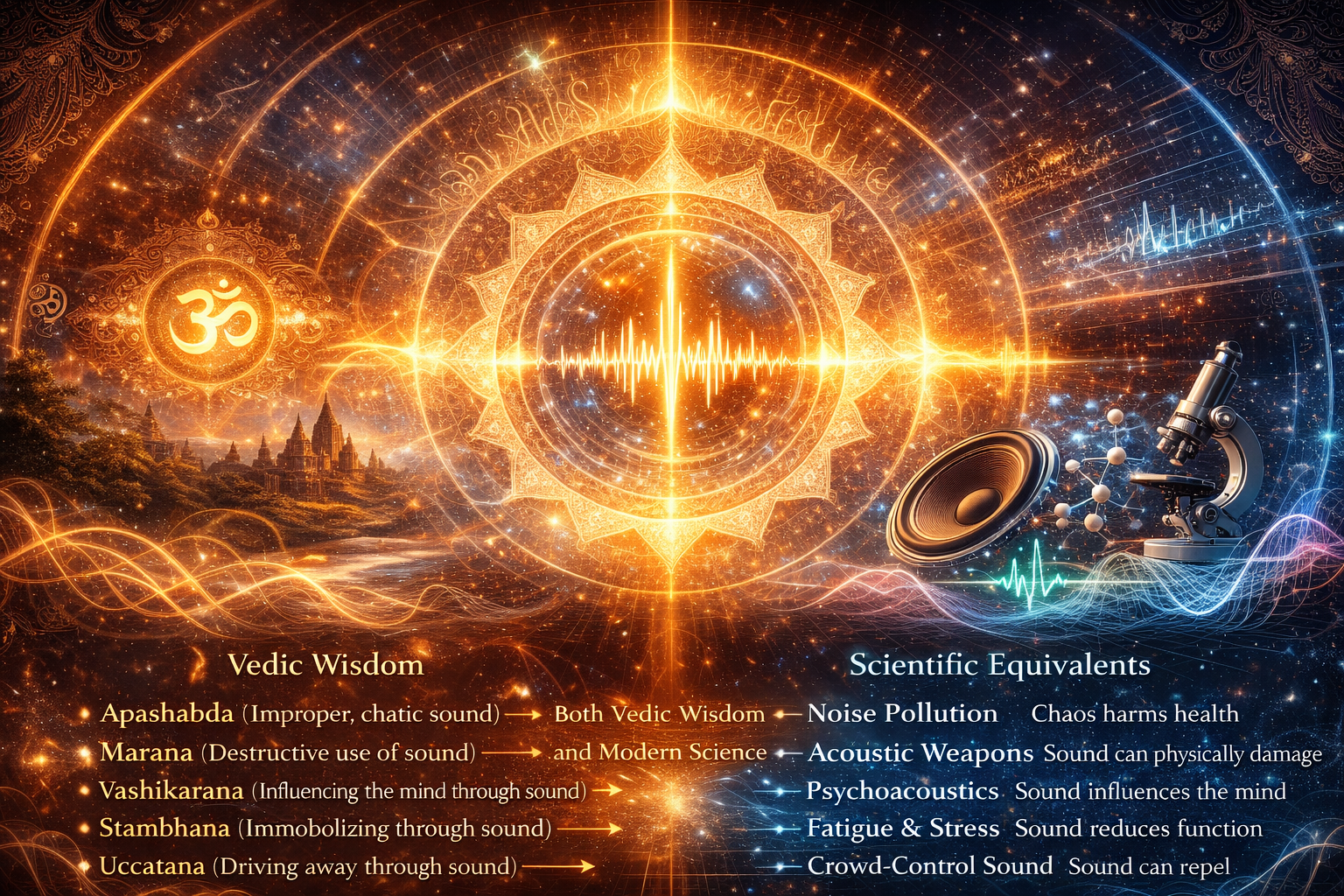
The Eternal Bond Between Human and Nature – A Vedic Perspective
The relationship between humans and nature is not merely physical or ecological; it is deeply spiritual, philosophical, and eternal. Vedic literature presents nature not as a resource to exploit, but



The relationship between humans and nature is not merely physical or ecological; it is deeply spiritual, philosophical, and eternal. Vedic literature presents nature not as a resource to exploit, but as a living, conscious system in which humans are an integral part. This perspective emphasizes harmony, balance, and mutual respect between all forms of existence.
The Vedic View of Nature (Prakriti)
In Vedic philosophy, nature is referred to as Prakriti, the primordial energy that manifests the universe. It is dynamic, nurturing, and governed by cosmic laws. Humans (Purusha) are seen as conscious beings interacting with Prakriti. The balance between these two ensures the continuity of life.
The Vedas describe nature as sacred and divine. Every element—earth, water, fire, air, and space—is treated as a deity, symbolizing its importance and power. This approach cultivates reverence rather than dominance.
Panchamahabhutas – The Five Elements of Life
The concept of Panchamahabhutas forms the foundation of the human-nature connection in Vedic thought:
- Earth (Prithvi) – Represents stability and nourishment
- Water (Jala) – Symbolizes life and purification
- Fire (Agni) – Denotes energy and transformation
- Air (Vayu) – Represents movement and breath
- Space (Akasha) – The field of existence and consciousness
The human body is composed of these five elements, just like the universe. Any imbalance in these elements within nature directly affects human health and well-being.
Rta – The Cosmic Order
The Vedas introduce the concept of Rta, the universal law that governs the cosmos. It represents the natural order and harmony of existence. When humans live in accordance with Rta, there is balance and prosperity. When this order is disturbed—through greed, overexploitation, or ignorance—chaos and suffering arise.
Modern environmental crises can be seen as a result of violating this cosmic order.
Yajna – The Principle of Sacred Exchange
Yajna is often misunderstood as ritual sacrifice, but in a deeper sense, it represents the principle of giving back to nature. It is the cycle of mutual nourishment—humans take from nature but must also contribute to its well-being.
This philosophy teaches sustainability long before the concept existed in modern science. It emphasizes responsibility, gratitude, and conscious living.
Nature as a Teacher (Guru)
Vedic texts view nature as the ultimate teacher. Observing natural cycles—day and night, seasons, growth and decay—provides insights into life, patience, and transformation.
Forests, rivers, mountains, and animals are not just physical entities; they are sources of wisdom. Ancient sages lived in forests (Aranyakas) to learn directly from nature, understanding its rhythms and aligning their lives accordingly.
Human Responsibility Towards Nature (Dharma)
In Vedic tradition, Dharma includes the duty to protect and preserve nature. This responsibility is not optional but essential for maintaining balance in the universe.
Key principles include:
- Non-violence (Ahimsa) towards all living beings
- Minimal consumption and avoidance of waste
- Respect for biodiversity
- Protection of water sources, forests, and animals
These principles align closely with modern environmental ethics but originate from ancient wisdom.
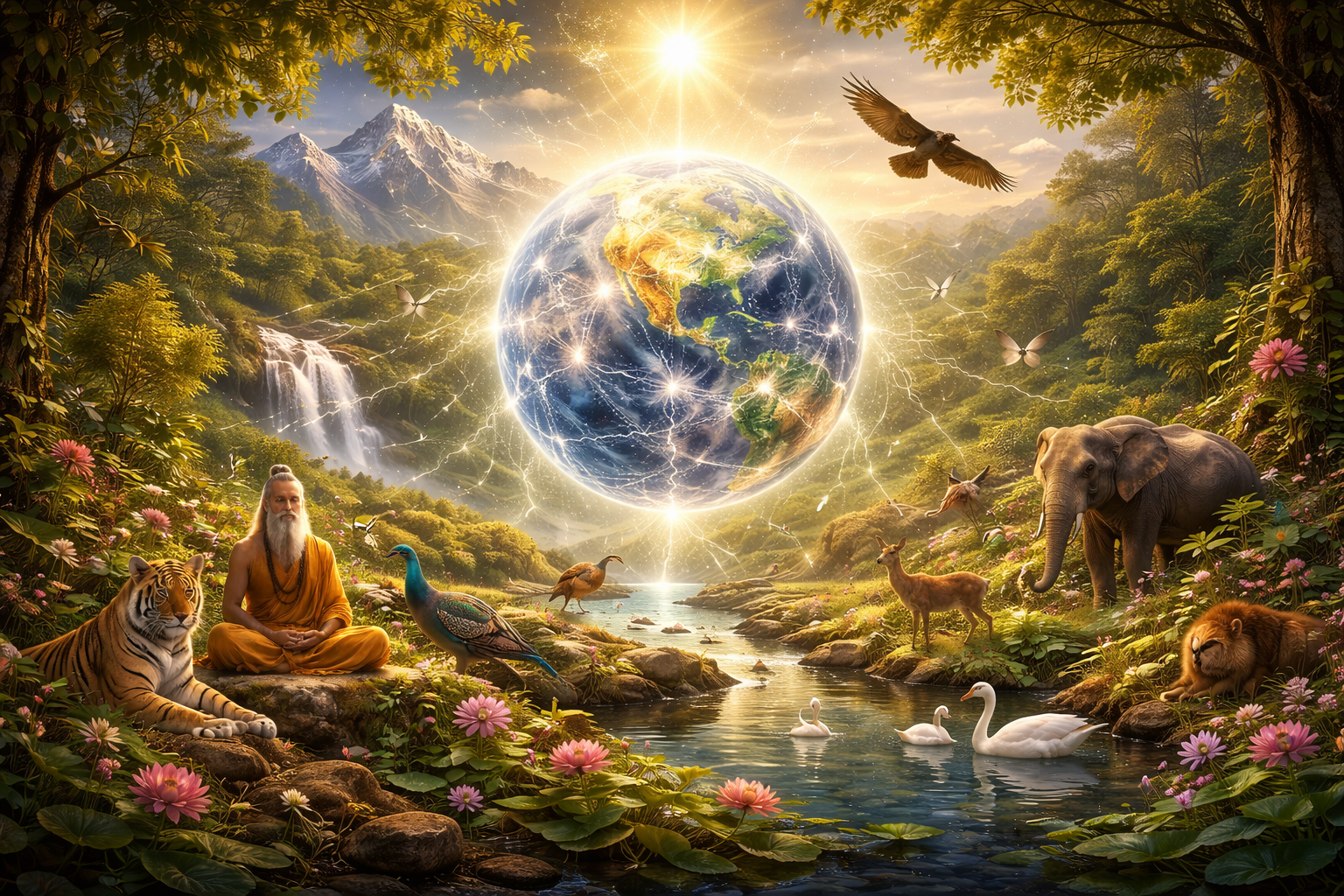
Interconnectedness of All Life
The Vedas emphasize that all life forms are interconnected. The famous concept “Vasudhaiva Kutumbakam” means “the world is one family.” This includes humans, animals, plants, and even microorganisms.
This holistic view eliminates the idea of superiority and promotes coexistence. Every action taken by humans has a ripple effect on the entire ecosystem.
Modern Relevance of Vedic Wisdom
Today’s world faces climate change, pollution, and ecological imbalance. The Vedic approach offers timeless solutions:
- Shift from exploitation to coexistence
- Adopt sustainable lifestyles
- Recognize the sacredness of nature
- Restore balance through conscious actions
Scientific research increasingly supports the idea of interconnected ecosystems, echoing what Vedic sages understood thousands of years ago.
Conclusion
The Vedic perspective on human and nature connection is not just philosophical—it is practical and essential for survival. It teaches that humans are not separate from nature but a part of it. By aligning with natural laws, practicing gratitude, and living responsibly, humanity can restore harmony and ensure a sustainable future.
This ancient wisdom serves as a guiding light in a time when reconnecting with nature is no longer a choice, but a necessity.