The Role of Today’s Youth in Shaping a Responsible Global Society
Today’s youth are not just the future—they are the present force shaping society. Globally, there are over 1.2 billion young people aged 15–24, making up about 16% of the world’s
Today’s youth are not just the future—they are the present force shaping society. Globally, there are over 1.2 billion young people aged 15–24, making up about 16% of the world’s population . This generation is growing up in a time of rapid technological change, economic uncertainty, environmental crisis, and social transformation.
They are more connected than any generation before, yet also face deeper challenges. Society now stands at a crucial point where youth must balance personal ambition with collective responsibility.
UNDERSTANDING MODERN YOUTH REALITY
Young people today are navigating a complex world influenced by:
Digital transformation and social media
Economic instability and job uncertainty
Climate change and environmental threats
Social inequality and cultural shifts
Global reports highlight that youth are adapting to rising living costs, changing job markets, and declining trust in institutions, while still striving to create meaningful impact .
This dual reality creates both pressure and opportunity.
MAJOR CHALLENGES FACED BY TODAY’S YOUTH
1. Mental Health Crisis
A significant global concern is youth mental well-being. Nearly 50% of mental health conditions begin before age 18, showing how early pressures affect young minds .
Factors include:
Academic pressure
Social comparison through digital platforms
Financial stress and uncertainty
Lack of emotional support systems
2. Unemployment and Economic Pressure
Many young people struggle to find stable employment. In several regions, youth unemployment remains high, limiting independence and growth.
Issues include:
Skill gaps vs job market demands
Rising cost of living
Gig economy dependency
Youth today are not just searching for jobs—they are searching for meaningful and sustainable careers.
3. Social Inequality and Lack of Opportunities
Access to education, healthcare, and basic opportunities is still unequal worldwide. Reports indicate that youth rights are often overlooked or under-supported globally .
This creates:
Unequal growth opportunities
Frustration and social unrest
Migration and brain drain
4. Digital Influence and Identity Crisis
The digital world has become both a tool and a trap.
Positive:
Learning, networking, innovation
Negative:
Addiction, misinformation, comparison culture
Many young people struggle with identity, purpose, and self-worth in an overly connected yet emotionally distant world.
YOUTH AS AGENTS OF CHANGE
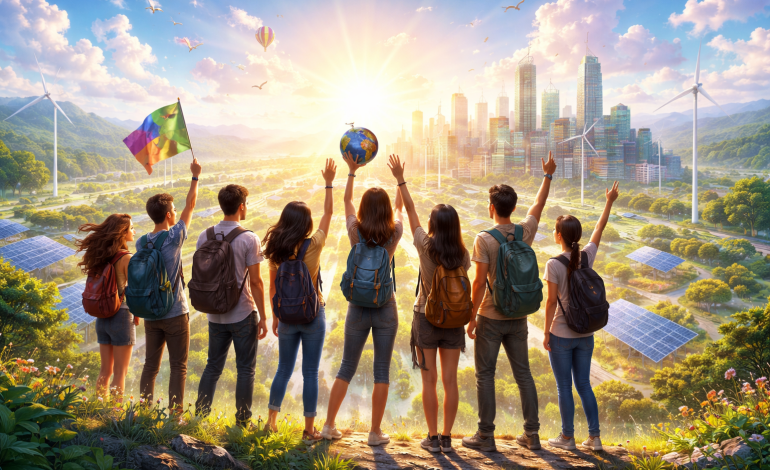
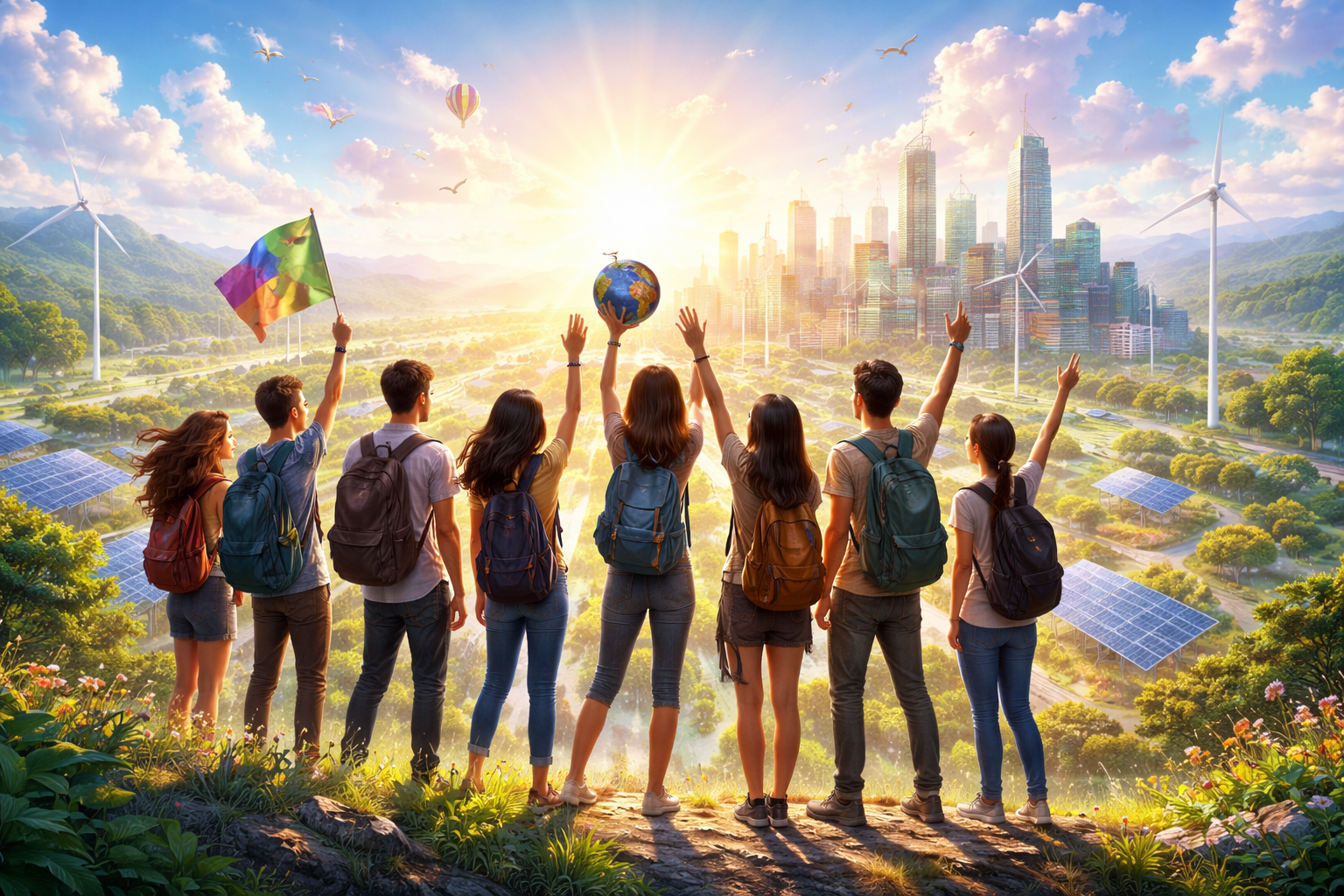
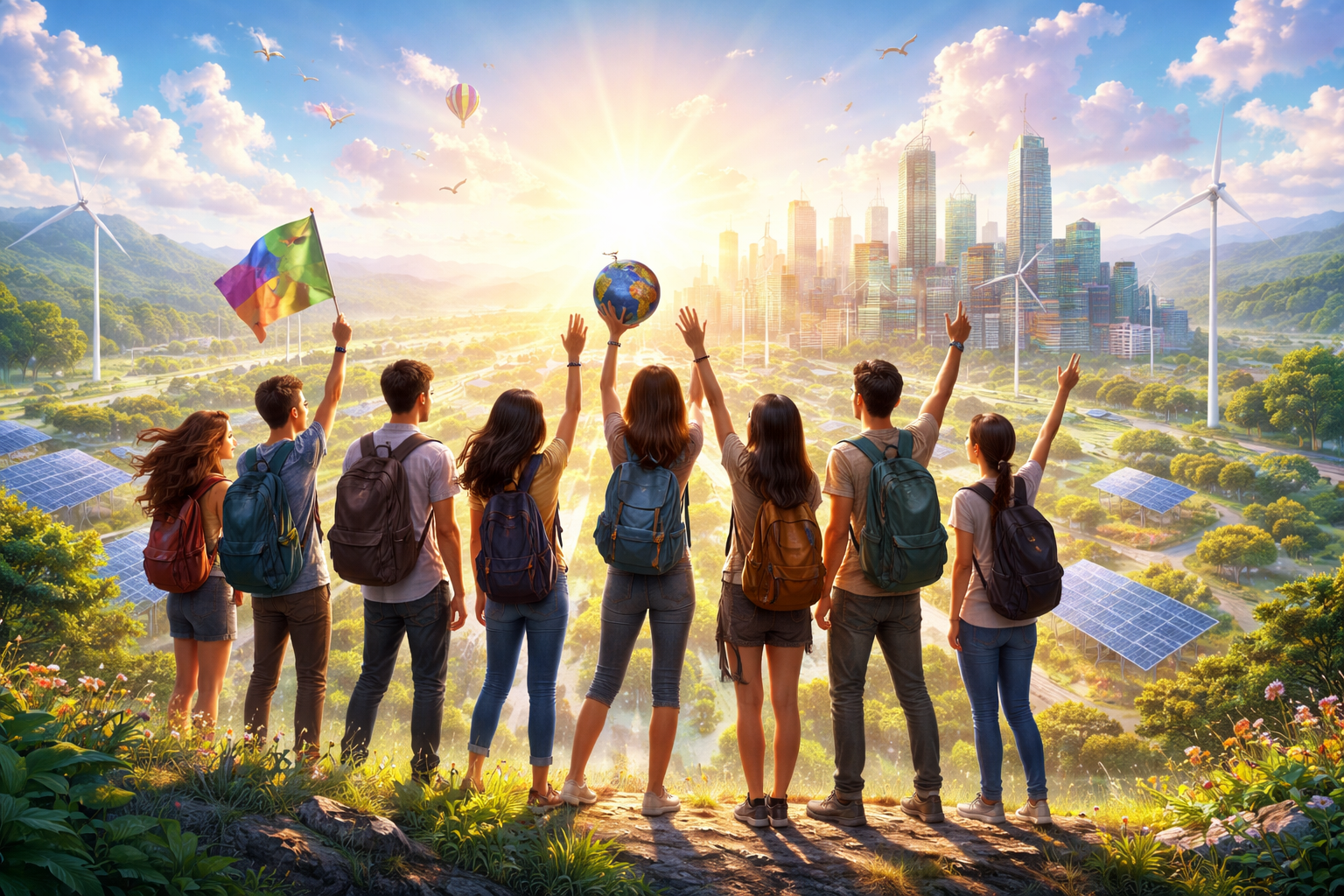
Despite challenges, youth are emerging as powerful changemakers.
Global studies show that young people are actively contributing to:
Climate action movements
Social justice campaigns
Technological innovation
Community development
Youth-led initiatives across 140+ countries are tackling major issues like inequality and sustainability with innovation and optimism .
They are not waiting for change—they are creating it.
RESPONSIBILITY OF YOUTH IN SOCIETY
Today’s youth carry a unique responsibility:
1. Social Responsibility
Promoting equality and inclusiveness
Standing against discrimination
Supporting community welfare
2. Environmental Responsibility
Sustainable living practices
Climate awareness and activism
Protecting natural resources
3. Digital Responsibility
Ethical use of technology
Fighting misinformation
Maintaining digital discipline
4. Civic Responsibility
Participating in governance and democracy
Raising informed voices
Holding systems accountable
YOUTH AS AGENTS OF CHANGE
ROLE OF SOCIETY TOWARDS YOUTH
Responsibility is not one-sided. Society must also support youth by:
Providing quality education and skill development
Creating employment opportunities
Ensuring mental health support systems
Encouraging innovation and entrepreneurship
Without proper guidance and support, the potential of youth remains underutilized.
THE GLOBAL FUTURE: YOUTH AT THE CENTER
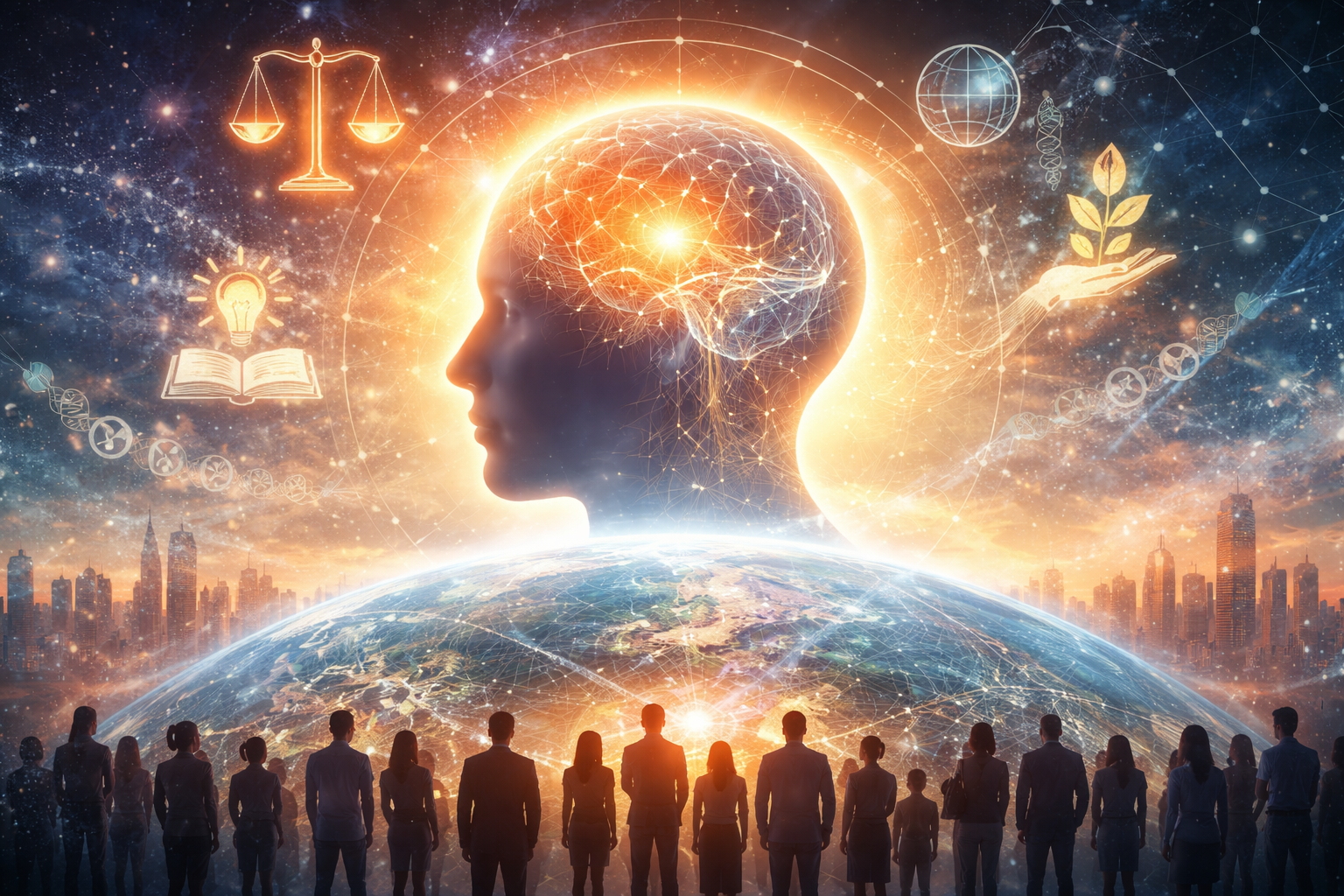
The future of the world depends on how well youth are empowered today. According to global development frameworks, young people are essential for achieving sustainable growth, equality, and innovation.
They are:
Thinkers
Creators
Leaders
Reformers
If guided properly, youth can transform societies into more ethical, inclusive, and progressive systems.
CONCLUSION: FROM POTENTIAL TO PURPOSE
Today’s youth are full of energy, ideas, and ambition. But the real transformation happens when potential meets responsibility.
The question is not whether youth can change the world. The question is whether society will support them enough to do it responsibly.
A responsible youth creates a responsible society. And a responsible society builds a better future for all.