Industry Revolutions: India at the Crossroads of Global Transformation in an Era of Conflict and Innovation
From steam engines to artificial intelligence, industrial revolutions have continuously reshaped civilizations. Today, as the world faces geopolitical tensions and technological disruption, India stands at a critical turning point—balancing

From steam engines to artificial intelligence, industrial revolutions have continuously reshaped civilizations. Today, as the world faces geopolitical tensions and technological disruption, India stands at a critical turning point—balancing growth, innovation, and global uncertainty while entering the era of Industry 4.0.
INDUSTRY REVOLUTIONS: A DEEP ANALYSIS IN THE INDIAN AND GLOBAL CONTEXT
Understanding the Evolution of Industrial Revolutions
Industrial revolutions are not just technological shifts—they are transformations of human civilization. Each phase has redefined economies, labor, and power structures:
- Industry 1.0 – Mechanization through steam power
- Industry 2.0 – Mass production driven by electricity
- Industry 3.0 – Automation through computers and electronics
- Industry 4.0 – Integration of digital, physical, and biological systems
The fourth revolution is fundamentally different because it merges AI, IoT, robotics, cloud computing, and big data into interconnected ecosystems.
Industry 4.0: The Core of Modern Transformation
Industry 4.0 represents the rise of smart factories, where machines communicate, analyze, and act with minimal human intervention. It is powered by cyber-physical systems and intelligent automation.
Research highlights that this revolution is centered around real-time data exchange, interconnected systems, and AI-driven decision-making, transforming traditional industries into adaptive, efficient ecosystems.
India’s Position in the Industrial Revolution Landscape
India is uniquely positioned in this transformation due to:
1. Demographic Advantage
India’s youthful population provides a massive workforce capable of adapting to new technologies. Studies suggest India can become a global talent hub in Industry 4.0.
2. IT and Digital Strength
India’s leadership in software and IT services gives it a strong foundation for digital industrialization.
3. Government Initiatives
Programs like:
- Digital India
- Make in India
- Semiconductor missions
are pushing India toward becoming a global manufacturing and innovation hub.
Recent developments show India entering advanced sectors like semiconductor manufacturing and AI infrastructure, marking a strategic shift toward future industries.
Industrial Growth Under Global Tensions and War-like Conditions
The current global environment is marked by:
- Supply chain disruptions
- Trade wars
- Technological nationalism
- Defense-driven innovation
These factors are accelerating industrial revolutions globally.
Impact on India
- Reduced dependency on imports
- Push for self-reliance (Atmanirbhar Bharat)
- Rise in defense manufacturing and dual-use technologies
Global instability is forcing nations to localize production and innovate faster, placing India in a strategic advantage as a neutral yet emerging power.
Sector-Wise Transformation in India
1. Manufacturing
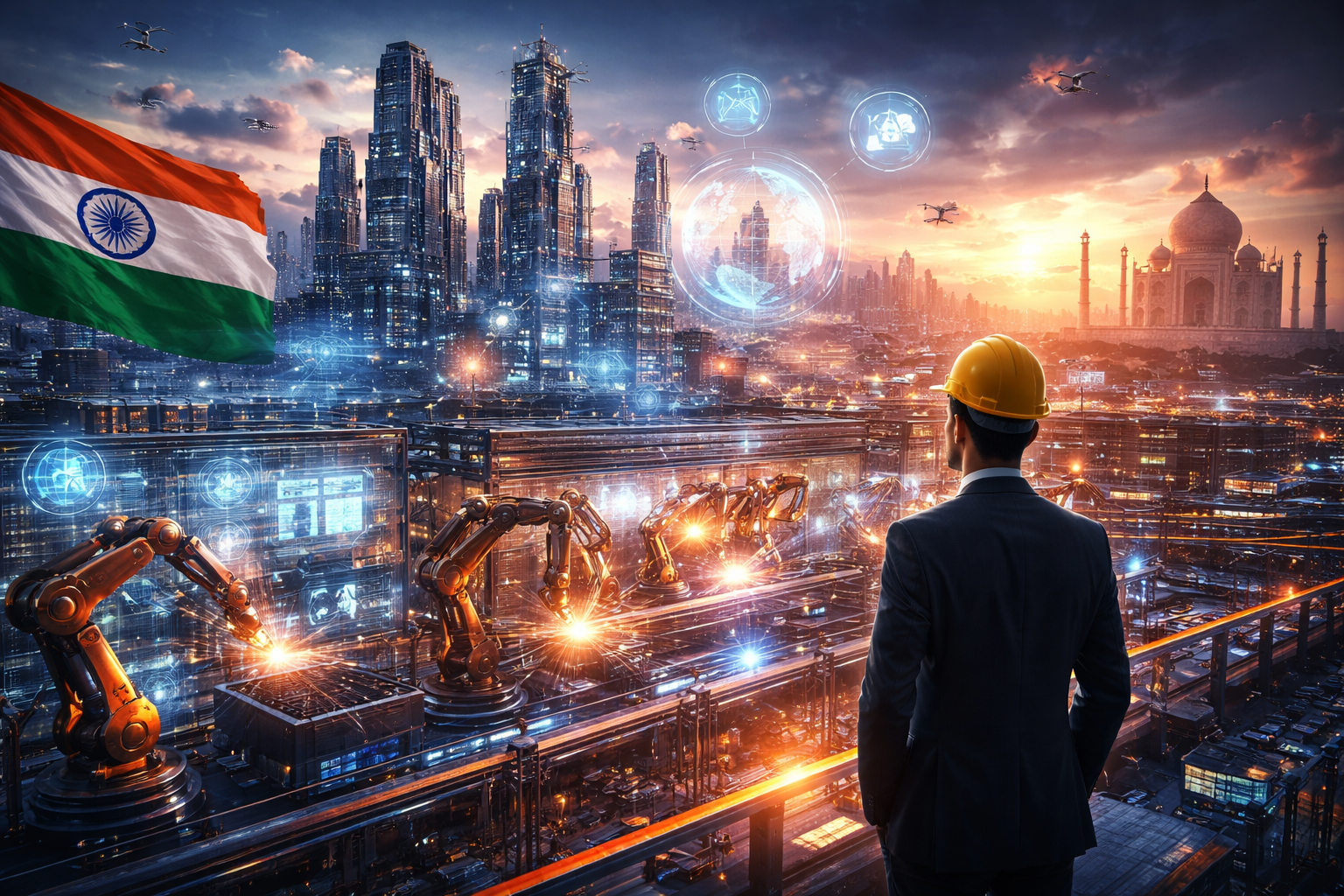
Smart factories are transforming production with automation and robotics. India ranks among the top countries adopting industrial robots, especially in the automotive sector.
2. Agriculture
Precision farming using AI and IoT is improving efficiency and sustainability.
3. Healthcare
AI-driven diagnostics and digital health systems are revolutionizing care delivery.
4. MSMEs (Micro, Small & Medium Enterprises)
Despite challenges, MSMEs are gradually adopting Industry 4.0 technologies, though barriers like cost and infrastructure remain significant.
Challenges India Faces in Industry 4.0
1. Skill Gap
There is a mismatch between traditional education and modern industrial needs.
2. Infrastructure Limitations
Rural and semi-urban industries struggle with digital access and advanced tools.
3. High Investment Costs
Adopting advanced technologies requires significant capital.
4. Data Security Risks
With increased digitization comes vulnerability to cyber threats.
Research indicates that skills, investment, and data security are the biggest barriers to Industry 4.0 adoption in India.
Opportunities for India in the Future Industrial Era
1. Becoming a Global Manufacturing Hub
With shifting global supply chains, India can replace traditional manufacturing giants.
2. Leadership in AI and Digital Innovation
India’s startup ecosystem is one of the fastest growing in the world.
3. Sustainable Industrial Growth
Industry 4.0 enables:
- Energy efficiency
- Waste reduction
- Eco-friendly production
4. Job Evolution, Not Elimination
While automation replaces repetitive tasks, it creates new roles in:
- Data science
- Robotics
- Cybersecurity
Industry Revolutions and the Future of Work
The future workforce will not be defined by physical labor but by:
- Cognitive skills
- Technological adaptability
- Creative problem-solving
Programs like advanced skill missions are already preparing India’s workforce for robotics, mechatronics, and AI-driven industries.
Global Power Shift Through Industrial Revolutions
Industrial revolutions historically determine global dominance:
- Britain led Industry 1.0
- USA led Industry 2.0 & 3.0
- Now, a multipolar world is emerging
India, alongside nations like China and the US, is competing to lead Industry 4.0 and beyond.
The Road Ahead: Industry 5.0 and Beyond
The next revolution—Industry 5.0—will focus on:
- Human-machine collaboration
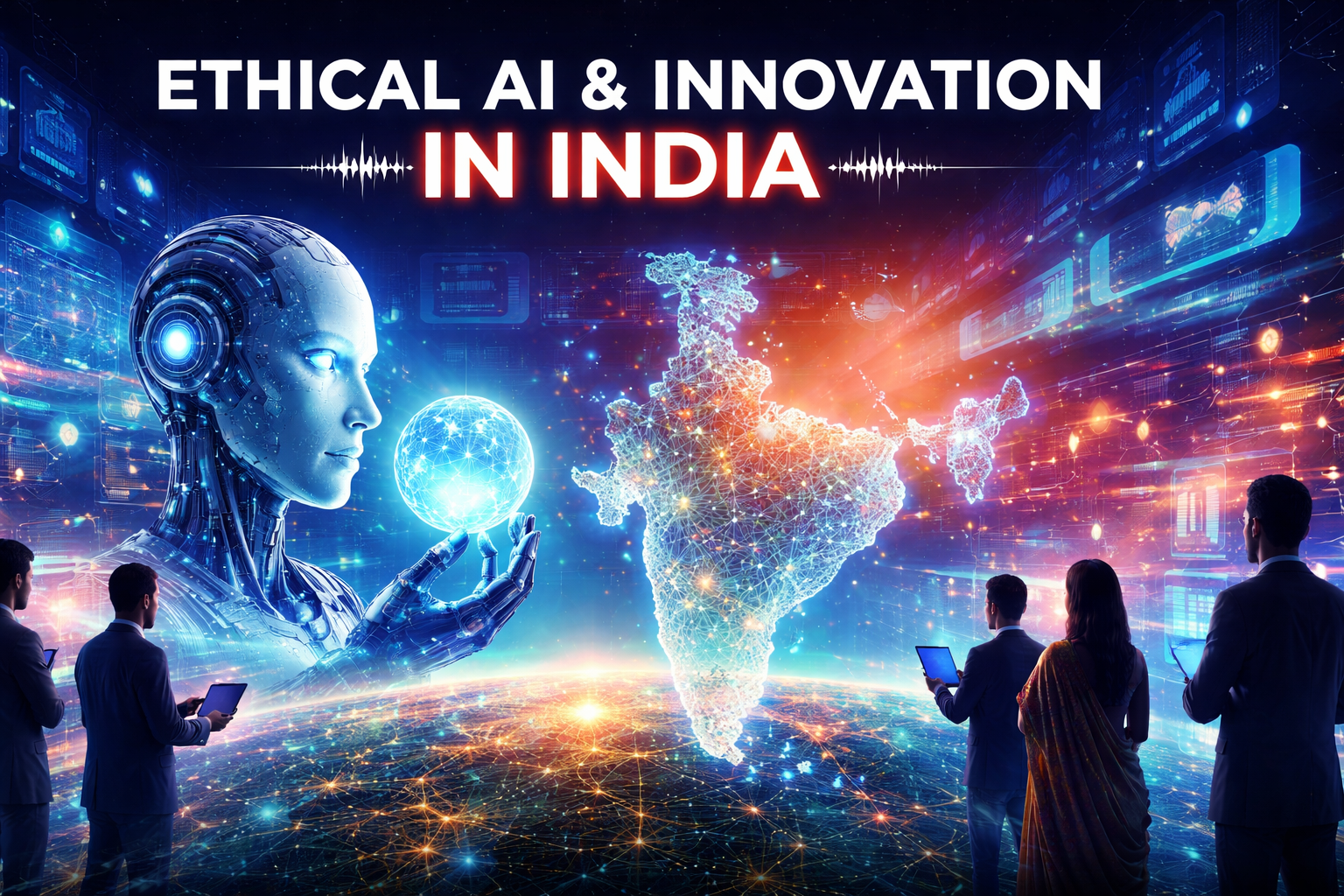
- Ethical AI
- Personalized production
- Sustainability
India’s challenge will be to ensure that growth remains inclusive, ethical, and globally competitive.
Conclusion
Industrial revolutions are no longer gradual—they are exponential. In a world shaped by conflict, competition, and rapid technological evolution, India stands at a defining moment.
The nation’s success will depend on how effectively it:
- Bridges the skill gap
- Invests in innovation
- Supports MSMEs
- Builds resilient infrastructure
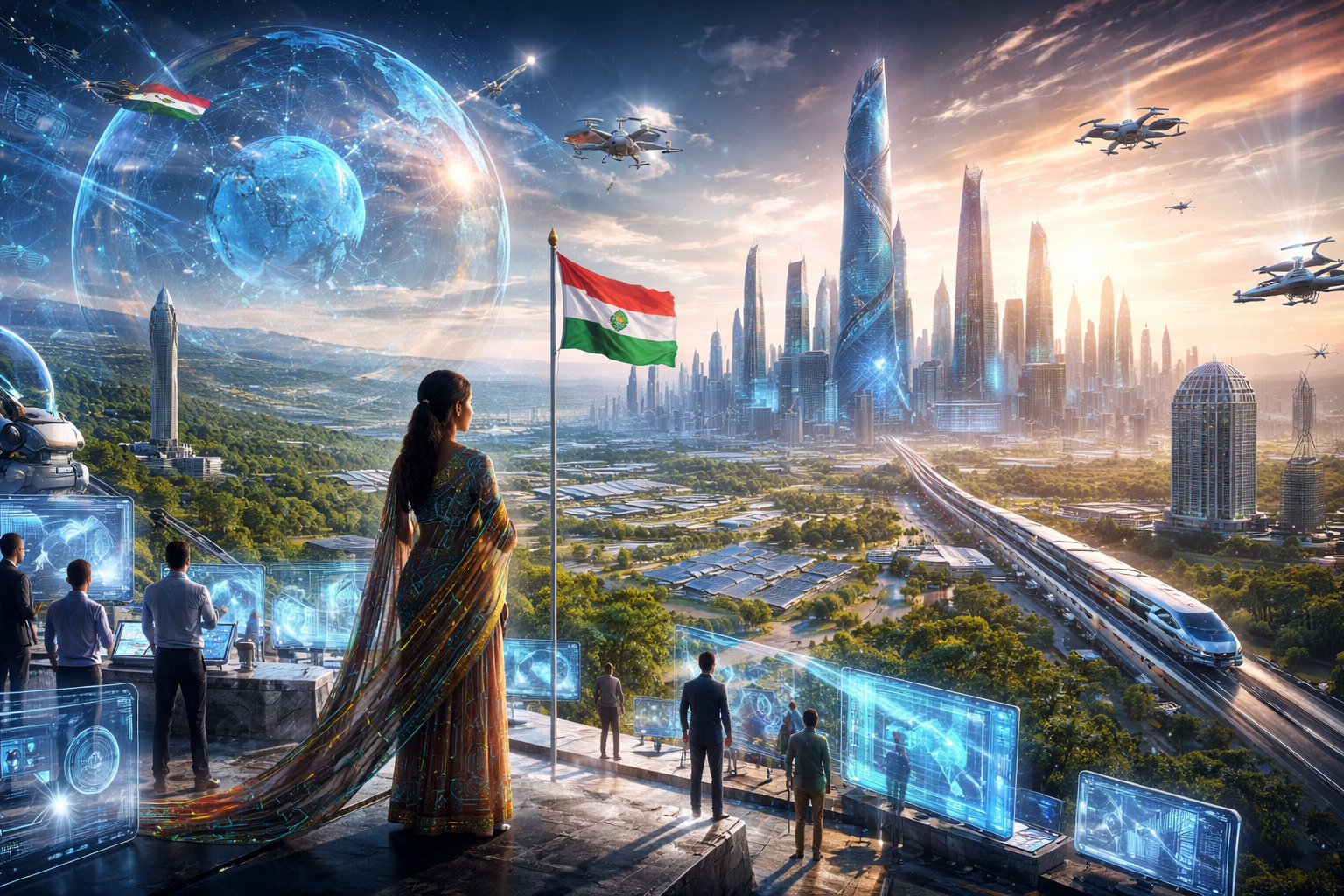
India is not just adapting to the industrial revolution—it is preparing to shape the future of it.