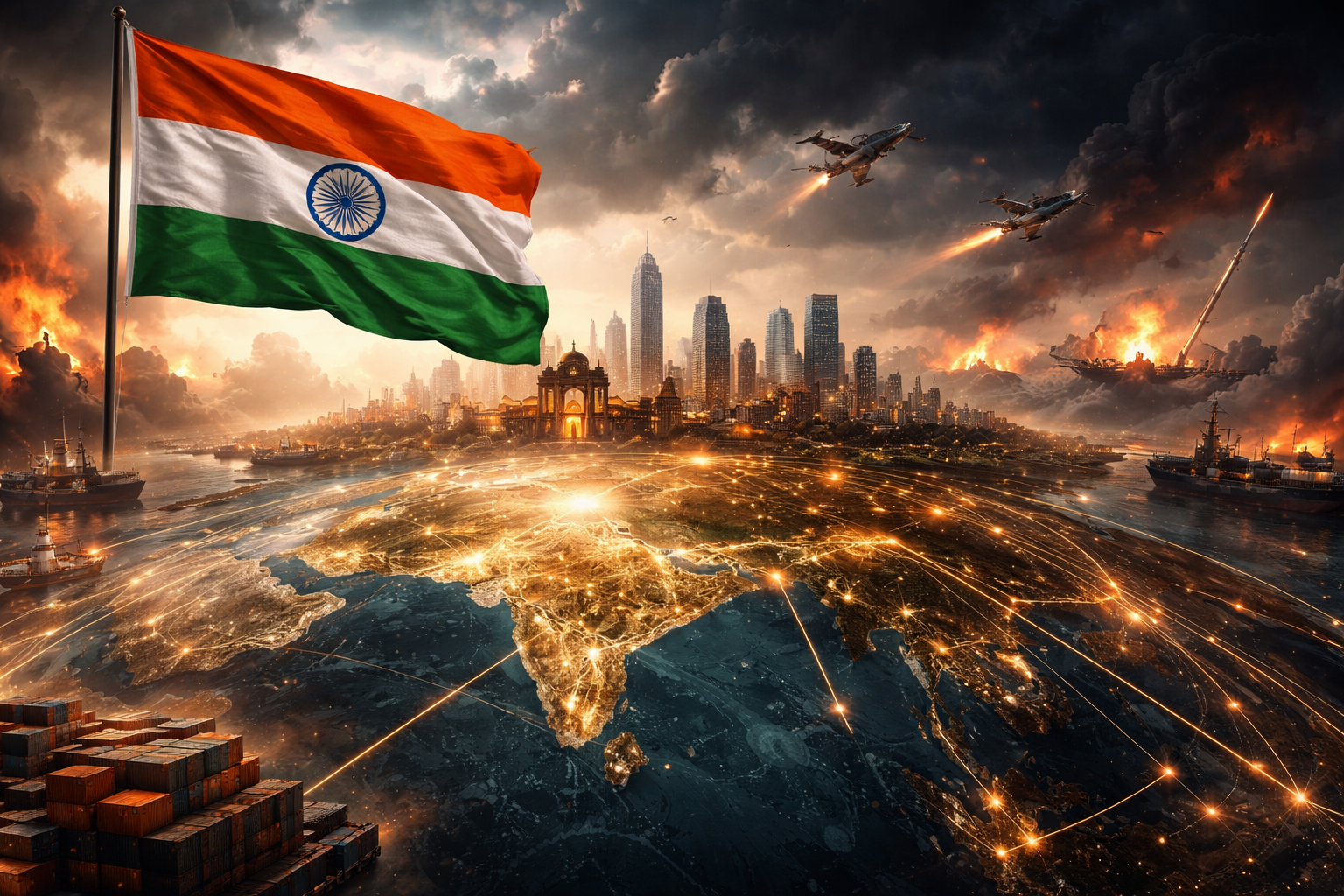
Social Myths in India: Hidden Narratives Shaping Reality in a Changing Nation
India’s growth story is powerful, but beneath progress lies a network of social myths influencing perceptions, policies, and people. This article explores the truth behind these myths using research,
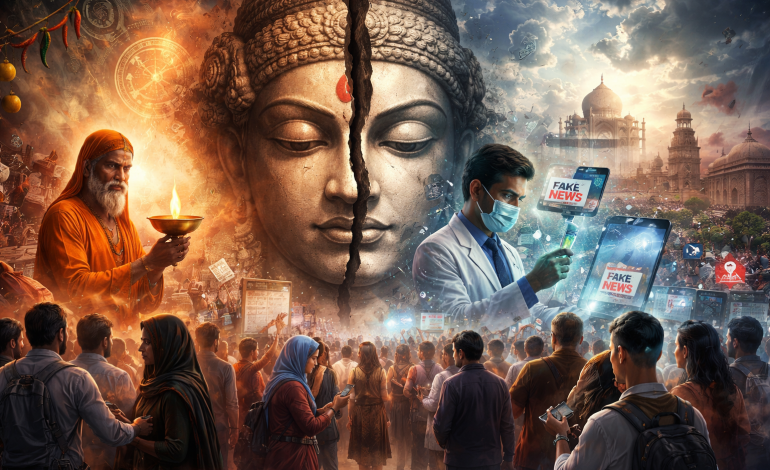

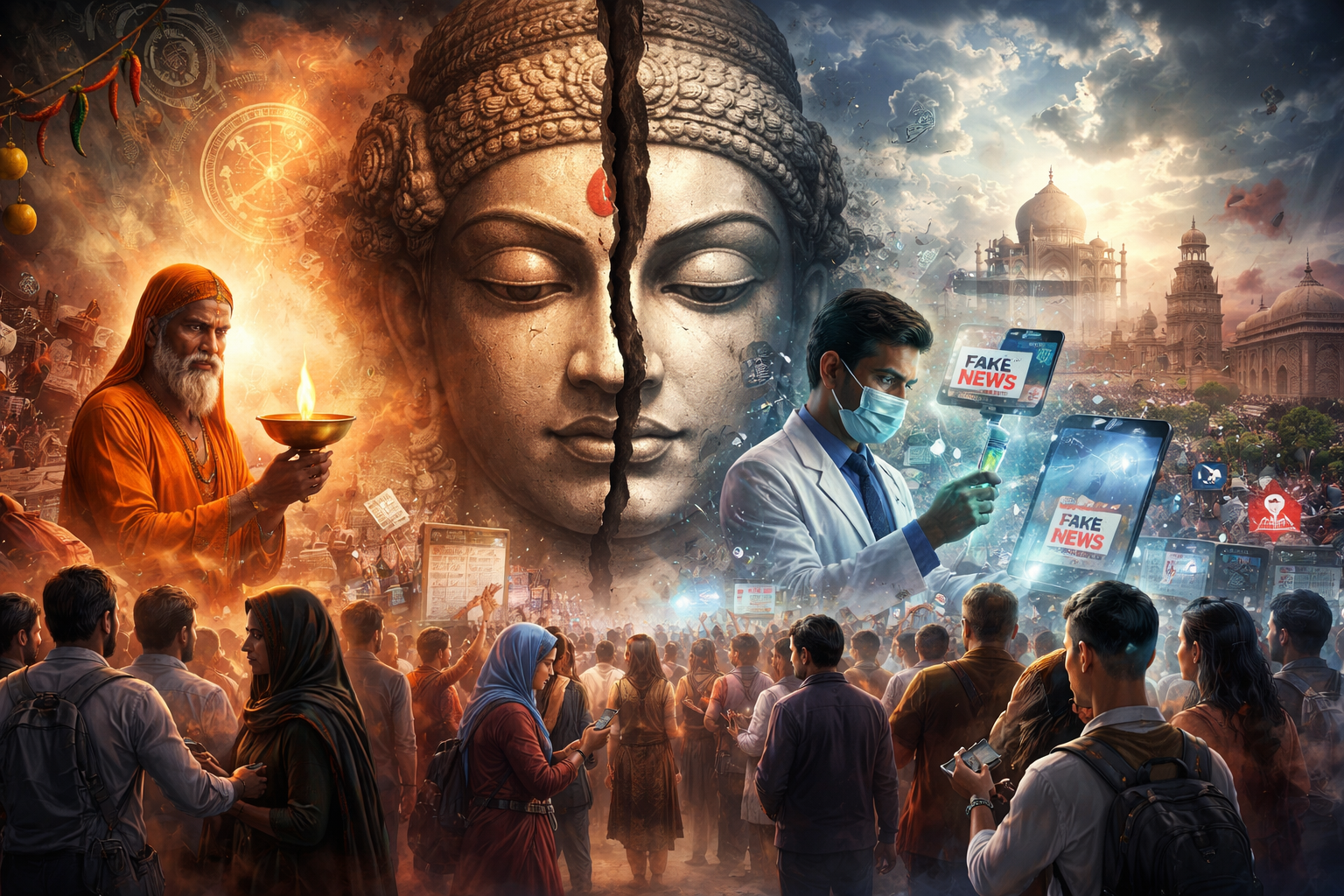
India’s growth story is powerful, but beneath progress lies a network of social myths influencing perceptions, policies, and people. This article explores the truth behind these myths using research, data, and real-world insights.
The Invisible Framework of Belief
India is often described as a land of diversity, resilience, and rapid transformation. However, beneath this visible growth lies an invisible framework—social myths. These myths are not just outdated beliefs; they are powerful narratives that shape behavior, influence policies, and define opportunities.
In a time when India is navigating global pressures, digital revolutions, and socio-political complexities, these myths act both as anchors and obstacles.
1. The Myth of a “Casteless” Modern India
One of the most persistent narratives is that India is moving toward a casteless society. While urbanization and globalization have blurred some boundaries, research suggests otherwise.
Studies show that caste continues to influence education, employment, and social mobility. Even today, structural inequalities rooted in caste remain deeply embedded in institutions and labor markets.
The myth of meritocracy often hides systemic advantages. Social media discussions reflect this contradiction:
“Meritocracy is a myth… outcomes ignore unequal opportunities.”
Reality:
India is not casteless—it is evolving, but caste still shapes access to resources and power.
2. The Myth That Gender Equality Has Been Achieved
With increasing representation of women in politics, education, and workforce, a popular belief suggests that gender equality is largely achieved.
However, data contradicts this perception. Gender disparities in education and employment persist, especially in rural areas.
Recent reports highlight that a significant proportion of women still lack access to higher education and economic independence.
Historically, gender inequality has been intertwined with caste systems, where control over women reinforced social hierarchies.
Reality:
Progress exists, but equality remains incomplete and uneven.
3. The Myth That Social Hierarchies Are “Natural” or Cultural
Many believe that social divisions—whether caste, class, or gender roles—are natural or culturally necessary.
Academic research challenges this idea, showing that these systems evolved due to economic, social, and power-driven factors rather than inherent cultural truths.
These hierarchies were often maintained deliberately to preserve control over knowledge, labor, and resources.
Reality:
What is often called “tradition” is frequently a constructed system of control.
4. The Myth That Discrimination Exists Only in Rural India
A common assumption is that social discrimination is limited to villages and underdeveloped regions.
However, evidence shows that discrimination persists in urban spaces, corporate environments, and digital ecosystems.
The digital divide itself reflects caste and economic inequalities, limiting access to technology and opportunities.
Reality:
Modern infrastructure does not automatically eliminate deep-rooted biases.
5. The Myth That LGBTQ+ Identities Are “Western Imports”
One of the most widely circulated myths is that LGBTQ+ identities are foreign concepts incompatible with Indian culture.
Scholarly analysis and historical evidence suggest otherwise. Diverse gender and sexual identities have existed in Indian traditions long before colonial influence.
The stigma largely emerged from colonial laws and later social conservatism.
Reality:
The idea of LGBTQ+ identities being “un-Indian” is itself a myth.
6. The Myth That Superstitions Are Harmless Traditions
Superstitions are often dismissed as harmless cultural practices. However, their impact can be severe.
Cases of violence linked to witchcraft accusations and blind beliefs continue to occur, particularly affecting women and marginalized communities.
Reality:
Superstitions can reinforce fear, discrimination, and violence.
7. The Myth That Economic Growth Automatically Solves Social Issues
India’s rapid economic growth is often seen as a cure-all for social inequality.
While growth creates opportunities, it does not automatically dismantle systemic discrimination. Studies show that inequalities persist despite development, especially along caste and gender lines.
Reality:
Economic progress without social reform can widen existing gaps.
8. The Myth of Information Equality in the Digital Age
With widespread internet access, it is assumed that everyone has equal access to information.
In reality, digital literacy, affordability, and socio-economic background create significant divides.
Additionally, misinformation spreads rapidly, reinforcing existing myths instead of challenging them.
Reality:
Access to technology does not guarantee access to truth.
Conclusion: Breaking the Cycle of Myth and Reality
Social myths in India are not merely outdated beliefs—they are active forces shaping the nation’s trajectory. As India positions itself on the global stage, confronting these myths becomes essential.
The challenge is not just to expose these narratives but to replace them with informed understanding, inclusive policies, and critical thinking.
True progress lies not only in economic growth or technological advancement, but in dismantling the invisible barriers created by long-standing myths.